
Keeping Your Family Safe This July 4th
America's 250th anniversary is a once-in-a-lifetime moment, and July 4th, 2026, promises to be an extra special celebration filled with parades, cookouts, and, of course, dazzling fireworks. While the grand finale of fireworks is a beloved tradition for many families, it's also a time when safety needs to be our top priority. As parents, ensuring a fun and safe environment for our little ones and the whole crew is paramount. That's why we've put together these essential firework safety tips for parents to help you enjoy the beauty of the lights without any worries.
We built America 250 Shirt Co because the 250th anniversary isn't a spectator sport — it's a family affair. We want to make it easy for every family to match up, show up, and celebrate together. Your family photo from July 4th, 2026 deserves a great shirt, and your family deserves a safe celebration.
Understand Your Fireworks: Know the Rules
Before you even think about lighting a fuse, it's important to understand the local laws regarding fireworks. What's legal in one town might be forbidden just a few miles down the road. Always check with your local fire department or city regulations. Many communities have restrictions on personal firework use, encouraging families to enjoy professional displays instead, which are always the safest option.
Professional vs. Backyard Displays
While the allure of putting on your own backyard show is strong, professional firework displays are designed, set up, and executed by trained pyrotechnicians. They have the expertise and equipment to handle fireworks safely, minimizing risks to spectators. If there's a community display nearby, consider making that your family's July 4th tradition. It’s a wonderful way to celebrate together, and everyone gets to relax and enjoy the show without worrying about the logistics or hazards.
The Truth About Sparklers
Sparklers might seem innocent, especially for kids, but they burn at extremely high temperatures — over 1,000 degrees Fahrenheit. That's hot enough to melt some metals! They cause thousands of injuries each year, especially to children. If you do choose to use sparklers, treat them with the same caution you would any other firework. We'll dive into more sparkler-specific tips later on.
Preparation is Key: Before the Show
A little planning goes a long way in preventing accidents. Think of it like packing for a family trip — you wouldn't leave without a checklist, and firework safety deserves the same attention to detail.
- Clear the Area: Choose a clear, open space away from homes, dry grass, brush, and other flammable materials. Keep spectators at a safe distance, making sure pets are secured indoors.
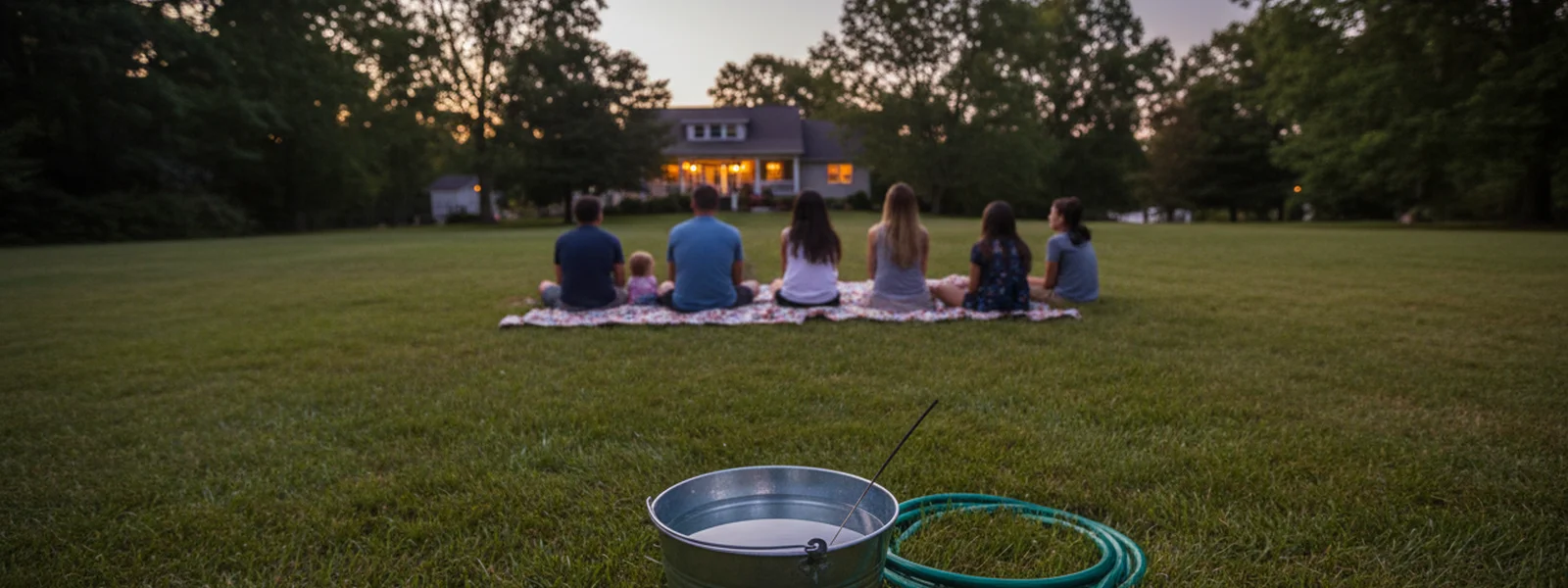
- Keep Water Handy: Have a bucket of water or a garden hose ready and within reach. This is your immediate response tool for any small fires or used fireworks.
- Designate a Responsible Adult: Only adults should handle and light fireworks. Never let children play with or light fireworks, even sparklers, without direct, close adult supervision.
- Dress for Safety: While you're getting everyone into their festive shirts for the family photo, remember that clothing can be a factor. Avoid loose-fitting clothes that could catch fire. Consider wearing cotton, which is less flammable than synthetic fabrics. Our comfortable
July 4th Ready
are a great choice for patriotic style and comfort.America Est. 1776 Flag Lettering T-Shirts
During the Show: Active Supervision
Once the fireworks start, your role as a parent shifts to active supervision. This is where those firework safety tips for parents truly come into play, keeping everyone engaged and safe.
Maintain a Safe Distance
Always keep children and spectators a safe distance from where fireworks are being lit. The recommended distance can vary depending on the type of firework, but generally, the further away, the better. Remind kids to stay seated and not to run around during the display.
Never Relight a "Dud"
It's tempting to try and relight a firework that didn't go off, but this is incredibly dangerous. "Duds" can ignite unexpectedly, causing severe burns or injuries. The safest thing to do is to wait at least 20 minutes, then soak it in a bucket of water before disposal.
Supervise All Ages
Even teenagers need supervision around fireworks. Set clear rules and ensure everyone understands the potential dangers. For the littlest ones, consider a cozy
Youth Tees
After the Fun: Cleanup and Lingering Hazards
The fun isn't over until everything is safely put away and the area is thoroughly checked. Post-celebration cleanup is just as important as the pre-show setup for firework safety.
Soak All Used Fireworks
Even fireworks that appear to be fully extinguished can still be hot enough to reignite or cause burns. Gather all used fireworks and place them in a bucket of water. Let them soak for several hours or overnight before disposing of them in a metal trash can.
Check for Embers and Debris
Carefully scan the area for any lingering embers or debris that could still be hot. This is especially important if you were firing near dry grass or other flammable materials. A quick check can prevent a late-night surprise fire.
Sparkler Specifics: More Than "Safe" Fun
We talked about how hot sparklers get. Here are some extra firework safety tips for parents specifically for sparklers:
- One at a Time: Only allow one child to hold one sparkler at a time.
- Hold Away from Body: Instruct children to hold sparklers away from their body, clothing, and other people.
- Water Bucket: Always have a bucket of water nearby to immediately douse used sparklers. The metal wire can remain hot long after the sparkle fades.
- Wear Gloves: Consider having children wear gloves to protect their hands from errant sparks.
- Adult Supervision: Never leave a child unattended with a sparkler.
What to Do in Case of an Emergency
Even with the best precautions, accidents can happen. Knowing what to do in an emergency is a crucial part of any good firework safety plan.
- Burns: For minor burns, run cool water over the affected area for several minutes. Do not apply ice or butter. Cover with a clean, dry cloth. Seek medical attention for anything more than a minor burn.
- Eye Injuries: Do not rub or rinse the eye. Seek immediate medical attention.
- Fires: If a fire starts, use your water source (hose or bucket) to try and extinguish it if it's small and safe to do so. For larger fires, evacuate immediately and call 911.
Celebrate America 250 Safely Together
The 250th anniversary of America is a monumental occasion, and July 4th, 2026, will be a day for families and communities to come together and celebrate our nation's history. By following these important firework safety tips for parents, you can ensure that your family's celebration is memorable for all the right reasons.
From backyard cookouts to community parades, we want you to have the best time. Make sure everyone looks their festive best while staying safe! Check out our
Family Celebration
Feral And Free Raccoon 250th Independence Day T-Shirt
For more ideas on making your July 4th unforgettable, read our article on How to Make July 4th 2026 the Best One Your Family Has Ever Had. And when you're ready to capture those perfect moments, don't miss our tips on How to Take Amazing Family Photos in Patriotic Outfits.
Wishing you and your family a safe, joyful, and beautifully coordinated America 250th celebration!
Ready to Shop?
Browse our collection — Celebrate Together — America's 250th, One Family at a Time.
Shop All Shirts
Published by America 250 Shirt Co
Celebrate Together — America's 250th, One Family at a Time
Frequently Asked Questions
Are sparklers safe for young children?
No, sparklers are not safe for young children. They burn at extremely high temperatures, over 1,000 degrees Fahrenheit, which is hot enough to cause severe burns and melt some metals. It's best for adults to handle sparklers with extreme caution, or to avoid them entirely for very young kids.
What's the safest way to dispose of used fireworks?
The safest way to dispose of used fireworks is to soak them thoroughly in a bucket of water for several hours or overnight. Even if they appear to be extinguished, they can still be hot enough to reignite. After soaking, you can then dispose of them in a metal trash can.
How far away should spectators be from fireworks?
The recommended safe distance for spectators varies depending on the type and size of the fireworks. Generally, the further away, the better. Always follow local guidelines and maintain a significant distance, especially from any personal backyard displays. For professional shows, follow designated viewing areas.
What should I do if a firework doesn't go off?
Never try to relight a firework that didn't go off, often called a 'dud.' This is very dangerous as it could ignite unexpectedly. The safest course of action is to wait at least 20 minutes, then approach cautiously and soak the firework completely in a bucket of water before disposal.
What kind of first aid is needed for minor firework burns?
For minor burns, immediately run cool (not cold) water over the affected area for several minutes. Do not apply ice, butter, or any ointments. Cover the burn loosely with a clean, dry cloth. For anything more than a very minor burn, or if you are unsure, seek immediate medical attention.
Is it better to attend public firework displays?
Yes, attending public or professional firework displays is generally the safest option for families. These events are organized by trained professionals who handle all aspects of safety, from setup to execution. It allows everyone to enjoy the spectacle without the risks associated with personal firework use.
Get New Designs Before Everyone Else
Be the first to see new 250th anniversary designs, get family photo tips, and hear about limited runs before they're gone.